
Libya, Government of National Unity responds to accusations from the Parliament
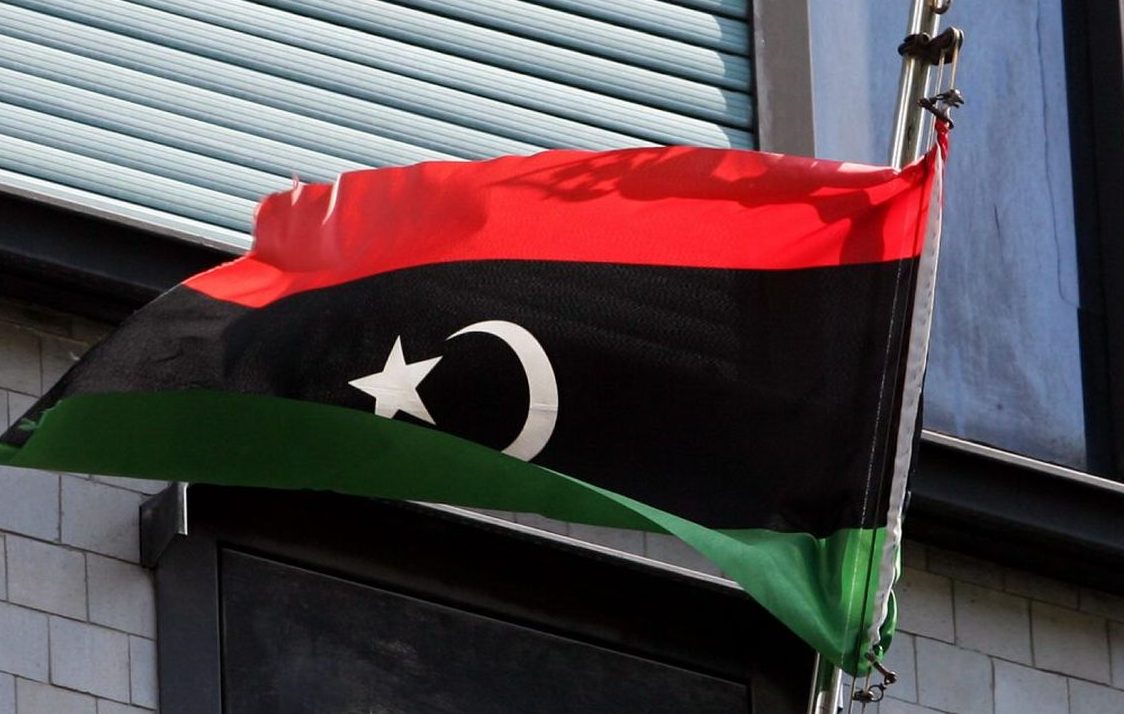
TRIPOLI (LIBYA) (ITALPRESS/MNA) – The Libyan Government of National Unity has rejected accusations made by the House of Representatives regarding the alleged obstruction of its sessions held outside Benghazi. In an official statement, the Government of National Unity asserted that the parliamentary leadership—through its political alignment and the use of legislation to advance a specific agenda—has transformed the institution into a party to the conflict. The executive branch rejects the notion that changing the venue for meetings should serve as a tool to impose a new political and institutional arrangement in the absence of national consensus.
The government further posed a direct question: is it feasible for the Presidential Council, the High Council of State, and the government itself to hold their meetings in the eastern part of the country and engage directly with the citizens there? The executive noted that the current parliamentary leadership is following in the footsteps of its predecessor, clarifying that a change in leadership neither renews the institution’s mandate nor expands its powers.
According to the Government of National Unity, the Parliament remains a temporary legislative body with limited authority, as affirmed by the Supreme Court. Its legitimacy is derived from the Political Agreement, which mandates coordination with the High Council of State regarding sovereign appointments and electoral laws.
The government accuses the institution of having historically leveraged its position to prolong the transitional period, fuel divisions, and interfere with the judiciary. The Government of National Unity reiterated its categorical rejection of any measures aimed at extending the influence of transitional institutions, viewing the expansion of the Parliament’s scope as a means to prolong the crisis rather than resolve it.
According to a statement issued by Libya’s Government of National Unity, the real issue is not where the Parliament decides to convene. The executive branch further noted that the question the parliamentary leadership must answer is quite different: what has it actually accomplished to bring the transitional phase to an end?
The institution’s task is not to seek new avenues of power, but rather to fulfill the obligations of its mandate and return sovereignty to the Libyan people, so that they may freely choose their own permanent institutions.
– Photo: IPA Agency –
(ITALPRESS).
Source: medNews