
UN report, Malta first in Europe for social inclusion
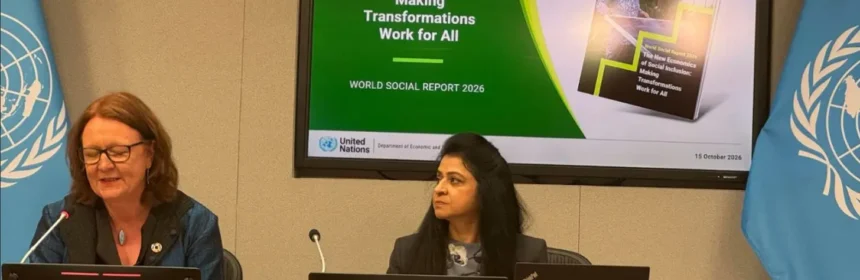
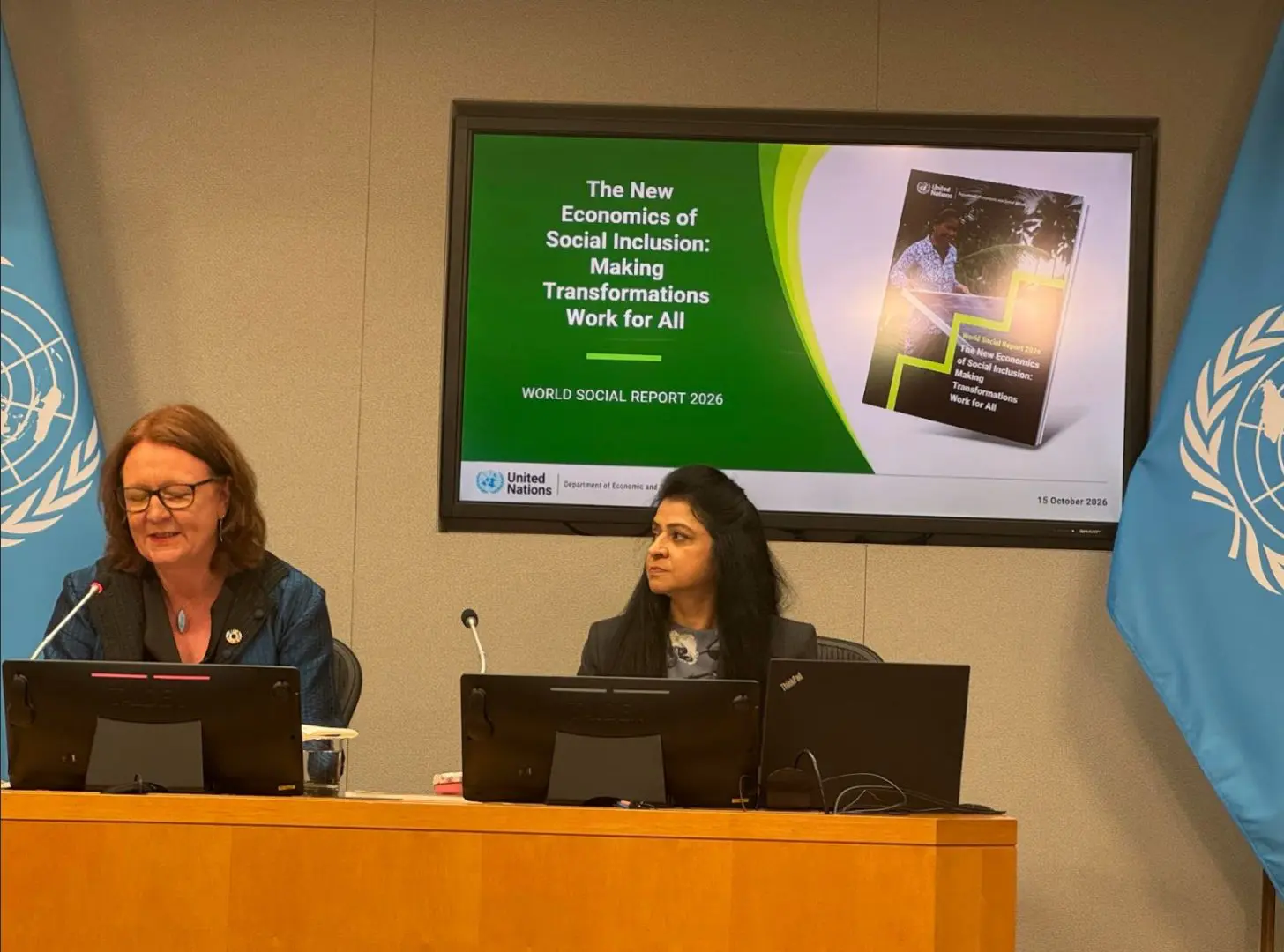
NEW YORK (UNITED STATES) (ITALPRESS/MNA) – Malta is first, followed by Ireland and Denmark. Italy, on the other hand, is last among the 28 high-income European countries examined. It is one of the most surprising results of the World Social Report 2026, presented today at the United Nations by the Department of Economic and Social Affairs (UN DESA). The report introduces a new index, the Socially Inclusive Transformation (SIT), which measures the extent to which economic, digital and energy transformations actually translate into social inclusion. In the European ranking of high-income countries, Malta leads with 159.77 points, followed by Ireland (156.98) and Denmark (155.58). Italy stops at 133.19 points, behind Croatia (134.93), Bulgaria (135.78) and Russia (136.39). The Italian result derives from 58.36 points in the transformation indicator and 74.83 in the inclusion indicator.
However, the most interesting finding concerns the major powers. The United States and China appear, together with Malta, Ireland and Singapore, among the five countries with the best results in economic, digital and energy transformations. None of these five, however, appears among the top five for social inclusion, a ranking led by Belgium, Finland, Iceland, the Netherlands and Sweden. The UN’s message is clear: innovation and growth do not automatically guarantee that the benefits reach all citizens. It is public policies that determine who is left behind. The global figures confirm the alarm. In 2025, 58% of workers were employed in the informal economy, 27% of young women aged 15 to 24 were neither studying nor working, and 2.2 billion people had no access to the Internet.
Moreover, 887 million of the 1.1 billion people in multidimensional poverty are exposed to at least one serious climate risk. Postponing investments in social protection by ten years could result, according to the report’s simulations, in a 12% loss of economic output compared with countries that intervene promptly.
During Thursday’s press conference at UN Headquarters, attended by Bjørg Sandkjær, UN Under-Secretary-General for Policy Coordination, and Rashmi Banga, head of the development research branch at UN DESA, Italpress asked what their concrete role is after identifying these inequalities: merely raising the alarm with the report, or directly helping governments to correct them? The answer made clear that the report’s main task is to identify problems and indicate the priorities on which governments should act. The UN’s conclusion is that investing in social inclusion is not only a matter of justice, but also an economic strategy to support growth and productivity.
-Foto Italpress-
(ITALPRESS).
Fonte: medNews