
Morocco, King Mohammed VI chairs the Council of Ministers: 5 priorities for the 2027 budget
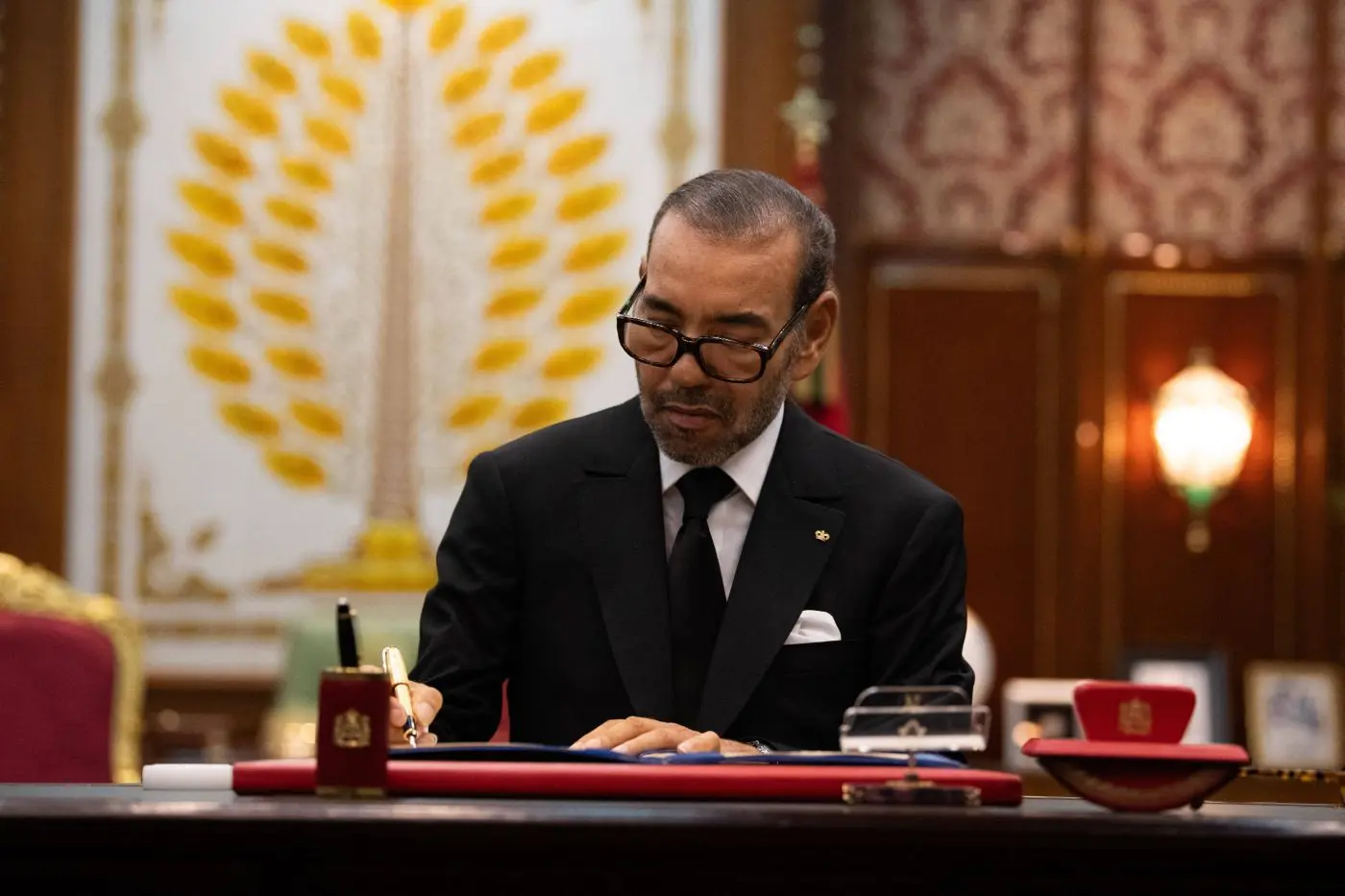
ROME (ITALPRESS/MNA) – Supporting purchasing power, youth employment, territorial development, and strengthening strategic sovereignty—these are some of the key pillars of Morocco’s draft budget for 2027. The general guidelines for the budget were reviewed and adopted by the Council of Ministers, presided over by King Mohammed VI—accompanied by Crown Prince Moulay El Hassan—at the Royal Palace in Rabat, according to a statement from the Royal Cabinet.
The Minister of Economy, Finance, and Public Administration outlined the measures, which were developed against an international backdrop marked by the rising costs of geostrategic conflicts, protectionist trends, and intensifying competition in the energy, technology, and finance sectors.
According to forecasts presented to the Council, the Moroccan economy is expected to close 2026 with a growth rate of 4.7%, inflation at 0.7%, and a budget deficit equivalent to 3% of the Gross Domestic Product. The budget focuses on five key priorities. The first concerns the restoration of purchasing power and the consolidation of a sustainable welfare state. Starting in 2027, a structural reform of markets and pricing is planned, alongside measures to support citizens, continue the expansion of healthcare coverage, ensure the sustainability of related social security schemes, and increase direct social assistance.
The plan also includes initiatives for public healthcare and education systems, as well as the continuation of a direct support program for housing access. The second pillar is dedicated to the integration of young people into education, vocational training, and decent employment opportunities. The government will launch an integrated national program for the 2027–2031 period, featuring measures for guidance, training, and incubation, as well as facilitating access to financing, guarantee mechanisms, and markets.
As stated in the official announcement, the goal is to overcome the fragmentation of sectoral programs by building a national policy that supports young people from their education through to employment and housing. The third priority focuses on accelerating advanced regionalization and a new generation of integrated territorial development programs.
These initiatives will include the reorganization of regional competencies, the strengthening of coordination and agreements between the State and the regions, and the full implementation of the National Charter for Administrative Decentralization. Approximately 25 billion dirhams have been earmarked to accelerate these integrated territorial development programs. The fourth pillar aims to strengthen sovereignty in the water, energy, food, and digital sectors.
Key measures include accelerating the development of renewable energy, continuing the “Morocco Offer” initiative for green hydrogen, and progressively implementing a roadmap for gas infrastructure, alongside efforts to ensure food security and national digital sovereignty.
The fifth priority concerns consolidating an economy capable of funding social and sovereignty-related objectives by accelerating institutional reforms while maintaining macroeconomic and budgetary balance. This framework encompasses the financing of major development projects, sectoral strategies, and new strategic industrial ecosystems.
Furthermore, the initiative places a strong emphasis on private investment by strengthening the support mechanisms established under the Investment Charter and continuing the reform of the Regional Investment Centers, with a particular focus on micro, small, and medium-sized enterprises.
-Photo IPA Agency-
(ITALPRESS).
Source: medNews