
Malta, free HIV prevention drugs delayed to 2026 despite increase in HIV cases
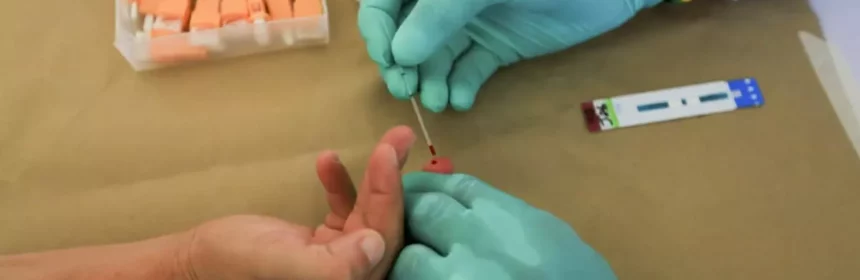
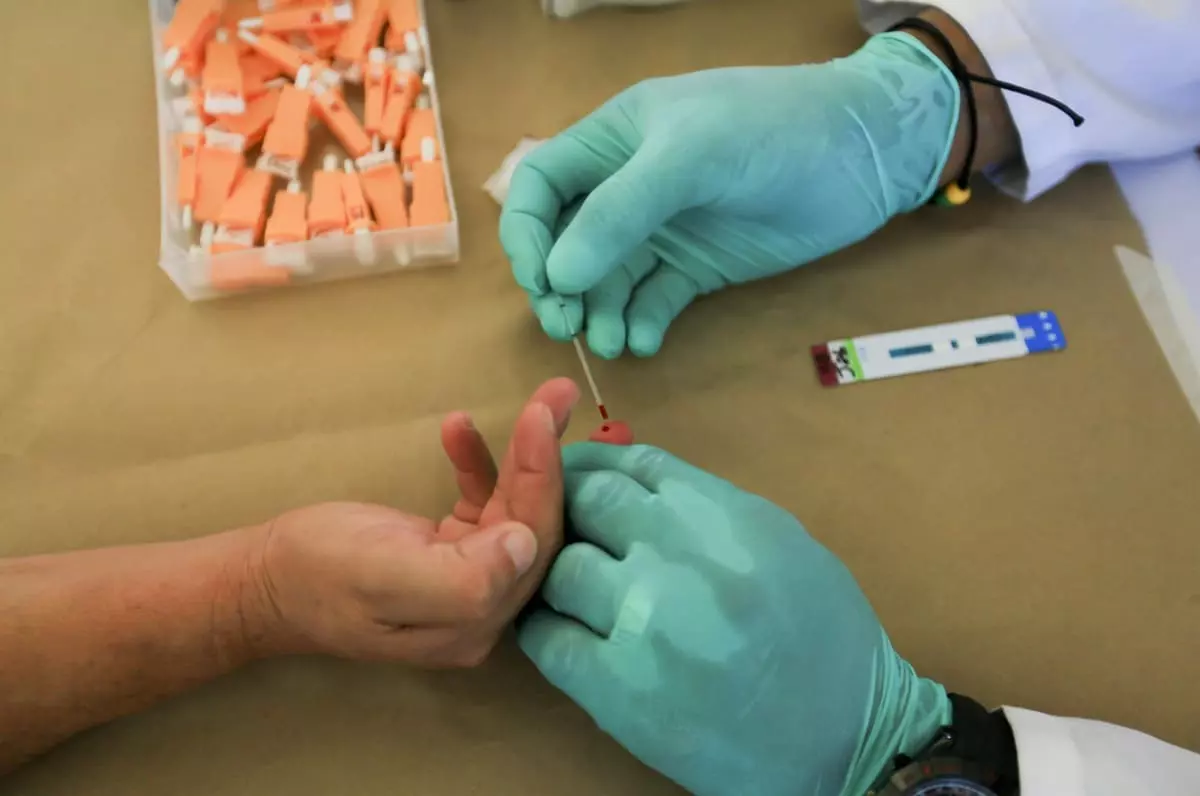
VALLETTA (MALTA) (ITALPRESS/MNA) – The government has once again pushed back the introduction of free HIV prevention medication, announcing that a tender for the medicines will only be issued in 2026, despite a continued rise in HIV cases in Malta.
Health Minister Jo Etienne Abela confirmed that the tender will cover Pre-Exposure Prophylaxis (PrEP) and Post-Exposure Prophylaxis (PEP), two internationally recognised treatments used to prevent HIV transmission.
Abela was speaking after figures published in parliament showed that 721 people are currently living with HIV in Malta. He confirmed that 125 new cases were diagnosed up to November 28, 2025, adding that the overall number of patients could change as people move into or out of the country.
The delay has drawn criticism from NGOs and activists, who have long been calling for free access to PrEP and PEP. They argue that the government has failed to act with sufficient urgency at a time when HIV infection rates are climbing.
In its long-awaited sexual health strategy, first released as a white paper in December 2024, the government committed itself to providing free PrEP for people considered at high risk of contracting HIV.
In December 2024, Abela had said that the treatment would be introduced in 2025 after funds were allocated in the national budget. However, the latest announcement means the actual provision of the medicines will be delayed even further.
The minister said the free provision of PrEP and PEP would cost €1.6 million over a three-year period, a figure he described as sustainable within the health budget.
PrEP is a preventive medication taken by HIV-negative individuals and, when taken consistently, reduces the risk of sexual transmission of HIV by about 99 per cent. It is also highly effective in lowering the risk of infection among people who inject drugs.
PEP, on the other hand, is taken after a potential exposure to HIV, usually within 72 hours, and is continued for 28 days. Medical studies estimate its effectiveness at around 80 per cent when taken correctly.
The postponement comes as Malta continues to register alarming HIV statistics. Last week, the HIV/AIDS Surveillance in Europe Study reported that Malta’s per capita rate of new HIV diagnoses had risen to the highest level in a decade and remained the highest in Europe for the second consecutive year.
The study noted that while most European countries have seen a steady decline in new HIV infections, Malta recorded its highest infection rate since 2015.
-Photo IPA Agency-
(ITALPRESS).
Source: medNews